Rain, Snow, and Autumn Leaves: How Asian Dramas Turned Weather Into the Best Character on Screen
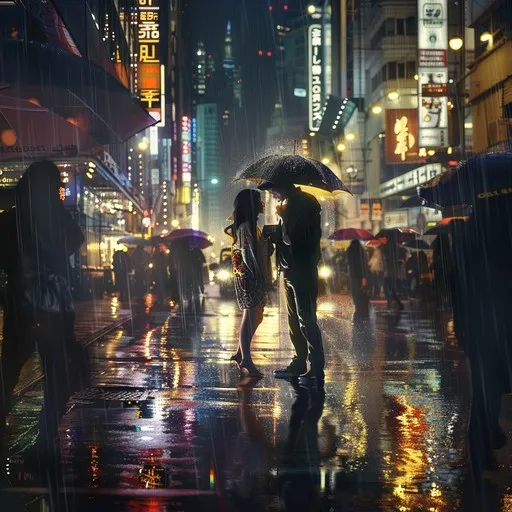
Photo: romantic rainy scene couple standing in rain cinematic Asian city street, via images.stockcake.com
There's a specific kind of K-drama scene that has become almost mythological among fans. Two people standing in the rain. No umbrella. Usually one of them has just said something they can't take back, or heard something that changes everything. The water is coming down hard. The camera holds on their faces for a long moment. Nobody moves.
It's a scene that American TV would probably cut or shorten. In Asian dramas, it's allowed to breathe — sometimes for what feels like a full minute — and somehow that restraint makes it more devastating than a dozen lines of dialogue would.
This is not an accident. It's a philosophy.
Weather as Emotional Infrastructure
In Korean, Japanese, and Taiwanese dramas, weather and seasonal imagery function as what filmmakers sometimes call "pathetic fallacy" — the environment reflecting or amplifying the emotional state of the characters. But Asian dramas take this further than most Western productions are willing to go, treating atmospheric conditions as genuine storytelling elements rather than just backdrop.
Rain in K-dramas almost never means nothing. It shows up at breakups, at reunions, at moments of crisis and moments of unexpected grace. The visual language is so consistent across decades of Korean drama that audiences have essentially been trained to read it: rain means emotional intensity, full stop. When the clouds roll in, you know something is about to happen.
Snow carries different weight — it tends to mark transitions, endings, and a kind of melancholy beauty. First snowfall scenes in K-dramas are practically their own genre at this point, often associated with wishes, promises, or the particular ache of something that almost happened. Japanese dramas use snow similarly, with perhaps even more restraint, letting a single shot of falling snow do work that a conversation might handle in a Western production.
The Seasonal Arc as Story Structure
What makes this more than just pretty cinematography is that many Asian dramas structure their entire emotional arc around seasonal progression. A show might begin in summer — warm, abundant, full of possibility — and move through autumn and into winter as circumstances grow harder. The landscape isn't decoration; it's a calendar of feeling.
This approach has deep roots in East Asian artistic traditions. In classical Chinese and Japanese poetry, seasonal imagery carries established emotional associations that audiences bring to the work automatically. A poem mentioning autumn isn't just describing a time of year; it's invoking a whole constellation of feelings about impermanence, change, and loss. Korean drama cinematography draws on these traditions even when it's not being explicitly literary about it.
The result is a kind of visual shorthand that works on audiences even if they've never read a word of classical poetry. You don't need to know the literary history to feel the weight of an autumn leaf falling in slow motion over two people saying goodbye. The image does the work.
What the Cinematography Is Actually Doing
Beyond the cultural context, there's a purely technical conversation worth having about how Asian dramas approach weather and landscape visually.
Korean drama cinematography has evolved dramatically over the past two decades, and production budgets on prestige titles now rival many American cable dramas. Directors of photography on major K-drama productions are making deliberate, sophisticated choices about color grading, lens selection, and framing that directly serve the emotional pacing of the story.
Rainy scenes, for example, are often shot with longer lenses that compress the space between characters, making the rain itself more visible and immersive. The color palette tends to shift — greens become more saturated, skin tones take on a cooler cast, the overall image feels more intimate and slightly unreal. These are choices that communicate "heightened emotional moment" without a single word of dialogue.
Autumn scenes frequently lean into warm amber and orange tones that feel beautiful and slightly elegiac at the same time — gorgeous, but tinged with the knowledge that it won't last. Winter cinematography in Japanese dramas in particular often embraces a kind of stark minimalism: pale skies, bare trees, the visual equivalent of holding your breath.
Why American TV Rarely Goes Here
The honest answer is time and pacing. American dramas, especially network shows, move fast. Episode lengths are structured around commercial breaks. Story beats need to hit on schedule. Letting a camera sit on two people standing in the rain for sixty uninterrupted seconds is a luxury that the format often doesn't allow.
Streaming has loosened some of these constraints, and there are American shows that use environmental storytelling thoughtfully. But even prestige streaming dramas tend to treat weather as atmosphere rather than character — something that makes the frame look good rather than something that actively participates in the narrative.
Asian dramas, particularly Korean ones, have always had a slightly different relationship with pacing. The 16-episode structure with hour-long episodes gives writers and directors room to slow down at key moments. A rain scene can last as long as it needs to last. The show trusts the audience to stay present.
The Scenes That Became Iconic for a Reason
Fan communities around Korean and Japanese dramas have an entire vocabulary built around weather scenes. "First snow" scenes get compiled into YouTube videos with millions of views. Rainy confession scenes are ranked and debated. There are entire Reddit threads dedicated to the best use of autumn imagery in a single episode.
This isn't fans being sentimental about pretty pictures. It's recognition that these scenes are doing something real — that the weather is carrying emotional weight that the story earned over multiple episodes, and the image is the payoff. When it works, a single shot of rain on a window can hit harder than a monologue.
What It Feels Like to Watch
If you've spent any time with Korean or Japanese dramas, you probably know the specific sensation of a weather scene landing correctly. There's a stillness to it — a moment where you stop thinking about plot and just exist inside the image for a second. It's closer to the experience of looking at a painting than watching conventional television.
American audiences who discover this tend to become genuinely attached to it. It's one of the things that makes Asian drama feel different even when the story beats are familiar — the visual language is doing so much more work, and once you're attuned to it, you start noticing how much conventional TV leaves on the table.
The rain was never just rain. It was the whole point.