From Monster to Human: How Asian Dramas Make You Root for Characters You Were Supposed to Hate
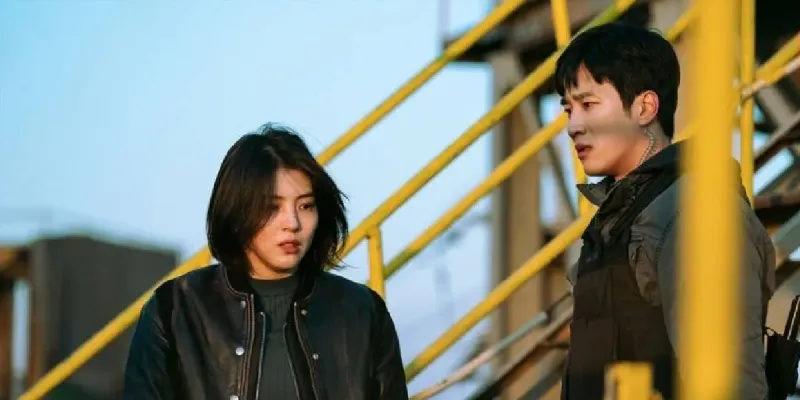
Photo: Korean drama intense emotional scene two characters confrontation, via cdns.klimg.com
There's a specific kind of emotional whiplash that only Asian dramas seem capable of delivering. One episode, you're screaming at your screen because a character just did something genuinely awful. Three episodes later, you're crying for them. Not despite what they did — almost because of it. It's disorienting. It's also kind of brilliant.
Western TV has its antiheroes. Walter White. Tony Soprano. The whole prestige drama playbook. But those shows tend to ask you to admire bad people, to find their badness compelling. Asian dramas — especially Korean ones — are doing something different. They're asking you to forgive. And somehow, they actually pull it off.
The Backstory Isn't an Excuse — It's an Explanation
The first thing Korean dramas do differently is they take their time. American shows often drop villain backstory as a late-season twist, a reveal designed to reframe everything you've already seen. Asian dramas tend to weave it in gradually, in pieces, letting you sit with the discomfort of understanding someone before you've decided whether they deserve your sympathy.
Take My Mister, a quiet, devastating Korean drama that isn't even really a villain story — but it's one of the best examples of how backstory changes perception. The young woman at the center of it does things early on that read as cold, even cruel. But the show keeps handing you context, not to justify her actions, but to make them legible. By the time you understand her fully, you don't excuse what she did. You just... get it. That's a different emotional experience entirely.
Or look at Vincenzo, where the titular character is genuinely a mob enforcer who does terrible things. The drama never pretends otherwise. But it builds his internal code so carefully — his loyalty, his grief, his particular sense of justice — that viewers end up deeply invested in a man who probably shouldn't earn that investment. The writing trusts you to hold both things at once: he's dangerous and he's worth caring about.
Vulnerability as the Turning Point
If backstory is the setup, vulnerability is usually the moment a villain redemption arc locks in. There's almost always a scene — sometimes a single shot — where the mask slips and you see something recognizably human underneath.
In Hotel Del Luna, the lead character IU plays has centuries of bitterness and cruelty baked into her. She's not a villain exactly, but she's deeply difficult to love at the start. The show earns her softening through moments of unguarded grief — quick flashes of the person she was before the world broke her. Viewers don't just warm up to her. They feel protective of her.
This is where Asian dramas diverge most sharply from American storytelling instincts. US television tends to treat vulnerability in morally compromised characters as a manipulation tactic — something the character uses to get what they want, something the audience should be suspicious of. Asian dramas are more willing to let vulnerability just be vulnerability. It doesn't have to be a trick. Sometimes a person is just in pain, and that pain is real, even if the things they've done because of it aren't okay.
Redemption Doesn't Mean Forgetting
Here's the thing that makes the best Asian drama redemption arcs feel earned rather than cheap: the characters don't get to escape what they did. Redemption in these stories usually costs something. Sometimes it costs everything.
Goblin does this with its central character — a warrior who committed acts he can never fully atone for, cursed to live with that weight across centuries. His redemption isn't a clean slate. It's an ongoing reckoning. Similarly, Signal — one of the best Korean crime thrillers on streaming right now — handles its antagonist's arc with a kind of moral seriousness that refuses easy resolution. The character does something unforgivable. The show knows it. And the ending reflects that, without making the character's humanity retroactively false.
This reflects something real about how redemption is understood culturally. In a lot of Western narrative tradition — especially American — redemption tends to be binary. You either redeem yourself or you don't. Asian storytelling, influenced by Buddhist and Confucian ideas about karma, consequence, and the long arc of cause and effect, often sees redemption as more of a process. You carry what you've done. You try to do better. It doesn't necessarily end with absolution.
Why American Audiences Are Responding
US viewers who've fallen into Korean dramas often cite the villains and morally complex characters as one of the reasons they stayed. There's something refreshing about a story that doesn't ask you to pick a side permanently — that trusts you to navigate moral complexity without a clear verdict being handed down.
Streaming has made this more accessible than ever. Platforms like Netflix, Viki, and Kocowa have put some of the best examples of this storytelling right in American living rooms. And the response has been real. Discussion threads for shows like Flower of Evil — a drama built almost entirely around the question of whether a man who may have done terrible things deserves love and second chances — run thousands of comments deep, with viewers genuinely wrestling with the moral questions the show raises.
That's the mark of good storytelling. Not that it gives you answers, but that it makes the questions feel urgent.
The villain redemption arc isn't just a narrative technique. In the best Asian dramas, it's an argument — that people are more than their worst moments, that understanding isn't the same as condoning, and that sometimes the most honest thing a story can do is refuse to let you off the hook of caring about someone complicated. American TV is starting to catch on. But Asian dramas have been doing it for years.