The Korean Dramas That Make You Want to Slow Everything Down
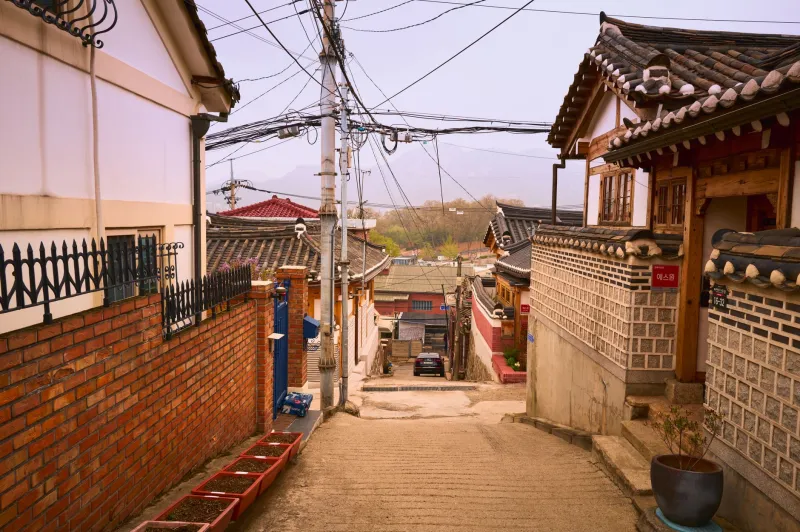
We live in a skip-the-intro, watch-at-1.5x, second-screen-while-streaming kind of moment. So it might seem counterintuitive that some of the most passionate K-drama fans online aren't rallying around survival thrillers or high-stakes romance — they're rewatching a quiet show about a middle-aged man and his neighbors, or a nostalgic portrait of a Seoul alleyway in the late 1980s, and they're doing it slowly, on purpose.
Slice-of-life Korean dramas have built something that flashier shows rarely manage: a loyal, emotionally invested audience that doesn't just finish these series, they live inside them for a while. And increasingly, that audience includes a lot of American viewers who are, frankly, exhausted by prestige TV's obsession with escalation.
If you've ever finished a twisty thriller and thought, "That was technically impressive, but I don't actually feel anything" — this genre might be exactly what you've been missing.
Why American Viewers Are Gravitating Toward This Genre Right Now
There's a certain kind of TV fatigue setting in across the US right now. Peak TV gave us more content than anyone could reasonably watch, and a lot of it follows the same formula: morally complicated protagonist, shocking ending to every episode, relentless narrative momentum. It's stimulating. It's also kind of exhausting.
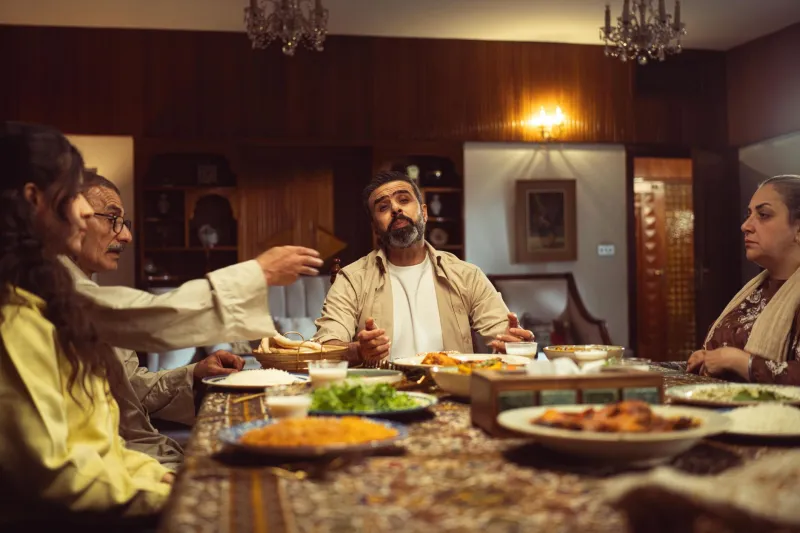
Slow-burn Korean dramas operate on a completely different frequency. They're interested in texture — the way afternoon light falls through a window, the rhythm of a shared meal, the small gestures that communicate decades of unspoken history between characters. These shows trust the audience to find meaning in quiet moments, which, for viewers raised on American television, can feel almost radical.
There's also a cultural specificity to these dramas that, paradoxically, makes them feel universal. Watching characters navigate the particular pressures of Korean work culture, family obligation, or generational nostalgia gives American viewers a window into a different world — but the emotional core is immediately recognizable. Loneliness, belonging, the weight of unfulfilled dreams. That stuff translates across every timezone.
Your Slow-Burn K-Drama Watchlist
Reply 1988
This is the one that converts people. Set in a working-class Seoul neighborhood in 1988, Reply 1988 follows five families living in the same alleyway through the small moments that define a childhood friendship group. There's a central mystery about which boy a girl ends up marrying, but that's almost beside the point — the show's real subject is nostalgia itself, the bittersweet ache of remembering a time when your whole world was contained in one block. American viewers who grew up watching The Wonder Years or Freaks and Geeks will feel something familiar here, even though the cultural context is entirely different.
My Mister
Possibly the most emotionally devastating show on this list, and also one of the most quietly beautiful things Korean television has ever produced. My Mister follows a middle-aged engineer navigating a crumbling marriage, workplace politics, and a complicated friendship with a young woman carrying her own heavy burdens. It's slow. It's grey. It asks you to sit with discomfort. And the payoff — emotional, not plot-driven — is enormous. If you've ever felt invisible in your own life, this show sees you.
Hometown Cha-Cha-Cha
A lighter entry on this list, but no less warm. A city dentist relocates to a small seaside village and gradually gets drawn into the rhythms of a tight-knit community. What makes this show work isn't its romance (though that's genuinely charming) — it's the ensemble of village residents, each carrying their own quietly told backstory. It has the same comfort-food energy as a good weekend morning: unhurried, easy, and surprisingly nourishing.
When the Camellia Blooms
A single mother running a bar in a small town. A cheerful local cop who won't stop showing up. A serial killer lurking at the edges of the story. When the Camellia Blooms is a trickier tonal blend than the others on this list — it does have a thriller element — but its heart is entirely slice-of-life. The show is really about how a community treats a woman it has decided to judge, and how she holds her head up anyway. It's warm, funny, and quietly angry in the best possible way.
Live
Underatoned and under-watched, Live follows rookie police officers and their senior colleagues through the grinding, unglamorous reality of patrol work in Seoul. This isn't a procedural — there's no case-of-the-week structure. It's more interested in how people sustain themselves through difficult work, how marriages fray and hold, and what it means to show up every day for a job that the public often resents. American viewers who've watched The Wire for its texture over its plot will find a lot to appreciate here.
Navillera
A 70-year-old retired mailman decides he wants to learn ballet. A 23-year-old struggling dancer becomes his teacher. That's essentially the whole premise, and it's more than enough. Navillera is about the courage it takes to pursue something purely for the love of it, at any age, against any odds. It's gentle in a way that very few shows — Korean or American — manage without tipping into saccharine. Keep tissues nearby.
How to Actually Watch These Shows (Without Rushing)
Here's the thing about this genre: it rewards a different kind of attention. These aren't shows to put on in the background while you're doing something else. They're not really designed for bingeing in one weekend-long sitting either, though plenty of people do exactly that.
The viewers who get the most out of slow-burn K-dramas tend to treat them like a book they're reading alongside their regular life — a few episodes at a time, letting the mood of the show linger a little before coming back for more. The nostalgia hits harder that way. The emotional payoffs land with more weight.
Most of these titles are available on Netflix, Viki, or Kocowa, depending on your region. Reply 1988 and My Mister in particular are the kind of shows that end up permanently on people's "rewatch annually" lists — which, in an era of infinite content, is about the highest compliment a drama can earn.
The Bigger Picture
The rise of Korean slice-of-life dramas in the American streaming market says something interesting about what viewers are actually hungry for right now. Not less quality — but a different kind of quality. Stories that breathe. Characters who exist rather than just drive plot. Endings that feel true rather than just surprising.
If you've been burned out on the content treadmill and haven't tried this genre yet, consider this your nudge. Start with Reply 1988 or My Mister, clear a few evenings, and let yourself slow down.
You might be surprised how much you needed it.