Glass Skin, Bold Lips, and a Whole New Mirror: How Korean Dramas Are Rewriting American Beauty Standards
There's a scene early in My Love from the Star where Jun Ji-hyun's character glides across the screen and half the internet simultaneously Googled her skincare routine. That's not an exaggeration. That moment — and thousands like it scattered across Korean dramas, variety shows, and K-pop music videos — helped ignite a beauty movement in the US that nobody saw coming.
And it didn't happen through a Super Bowl ad or a celebrity endorsement deal. It happened through streaming.
The Screen Is the New Beauty Counter
For decades, American beauty standards were largely set by Hollywood, fashion magazines, and a handful of major cosmetics brands. The aspirational look was specific — and if you didn't fit it, you mostly just accepted that. Then Korean content started landing on Netflix, Viki, and other platforms, and something changed.
American viewers weren't just watching for the storylines (though those are genuinely great). They were noticing everything — the way actors' skin looked luminous under studio lighting, the precise way eyeliner was applied, the understated elegance of a no-makeup makeup look that somehow required fifteen products to achieve. Suddenly, beauty tutorials referencing K-drama aesthetics were racking up millions of views on YouTube and TikTok.
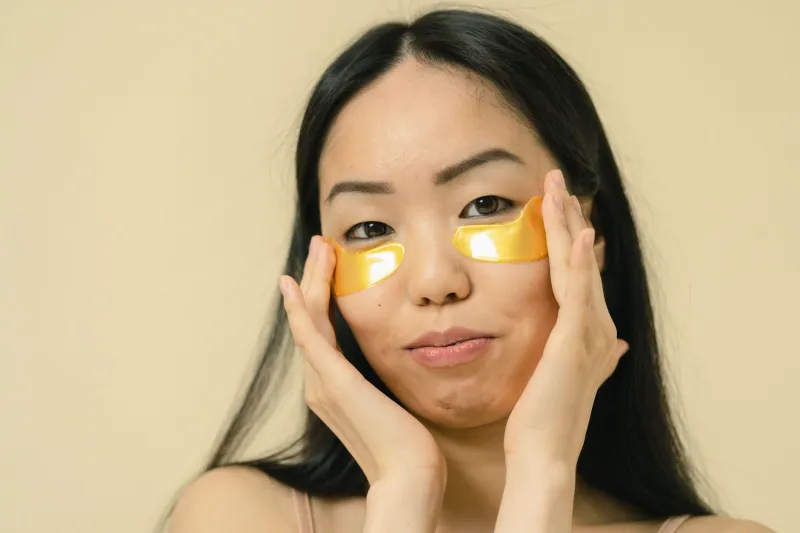
The "glass skin" trend is probably the most obvious example. The term — describing skin so clear and hydrated it appears to reflect light — originated in Korean beauty culture but exploded globally once Western audiences started seeing it on their favorite drama leads. Searches for Korean skincare products in the US skyrocketed. Brands like COSRX, Laneige, and Innisfree went from niche imports to drugstore staples almost overnight.
More Than Moisturizer: A Shift in What "Aspirational" Looks Like
But this goes deeper than product trends. What streaming has really done is expand the visual vocabulary of what American audiences find beautiful — and that's a bigger deal than it might sound.
For a long time, Asian faces were underrepresented in American mainstream media. When they did appear, they were often filtered through a Western lens, styled and presented in ways that minimized cultural distinctiveness. K-dramas and Korean variety shows don't do that. They present Korean beauty ideals on their own terms — and those ideals are now being absorbed, appreciated, and imitated by American audiences of all backgrounds.
Beauty influencers like Joan Kim, Gotamakeup, and Hindash have built massive followings in the US by bridging Korean and Western beauty techniques. Their content isn't niche anymore. It's mainstream. And a huge part of why their audiences found them was through a gateway of Korean entertainment content.
Variety Shows Are Doing Heavy Lifting Too
It's not just dramas driving this. Korean variety shows — Running Man, Knowing Bros, I Can See Your Voice — have their own aesthetic universe, and American fans who fall down that rabbit hole come out the other side with a completely different sense of what fun, fashionable, and attractive can look like.
The casual styling on these shows, the way hosts and guests interact without the hyper-polished sheen of American talk shows, creates a different kind of aspirational. It feels more accessible. More real. And that realness is part of what makes the beauty influence stick — it's not just a fantasy, it's something viewers genuinely feel like they can try.
K-pop adds another dimension entirely. Groups like BLACKPINK, BTS, and aespa have built fanbases in the US that span every demographic. Their music videos are essentially high-fashion beauty editorials that millions of people watch on repeat. The makeup looks, the hair, the styling — it all feeds into a larger conversation about beauty that's happening in real time across social media.
Streaming Platforms as Cultural Equalizers
Here's the part that doesn't get talked about enough: streaming platforms are doing something genuinely democratizing when it comes to beauty representation. When a show from Seoul lands on a platform with 200 million global subscribers, it doesn't go through the same cultural gatekeeping that foreign content used to face. It just... arrives. And people watch it.
That means beauty ideals that were once confined to one part of the world are now part of a global conversation. American viewers who might never have encountered Korean aesthetics — through travel, through community, through any other channel — are now casually absorbing them through their Friday night watch sessions.
For Asian Americans especially, this shift has been significant. There's something powerful about seeing beauty that looks like yours treated as aspirational rather than exotic or "other." Representation on screen has real-world effects, and the K-drama boom has delivered a version of that that's hard to quantify but easy to feel.
The Backlash (and Why It Misses the Point)
Not everyone is enthusiastic. Some critics have pointed out that Korean beauty standards carry their own pressures — the emphasis on slim figures, pale skin, and youthful appearance can be just as rigid as Western ideals, just in different directions. That's a fair conversation to have.
But the critics who frame the whole thing as simple cultural appropriation or trend-chasing are missing the bigger picture. What's happening isn't just Americans co-opting Korean aesthetics. It's a genuine broadening of the beauty landscape — more options, more references, more ways of being considered beautiful. That's not a bad thing, even if it's complicated.
What to Watch If You Want the Full Experience
If you're curious about the aesthetic universe that's driving all of this, there are some obvious starting points. Crash Landing on You is practically a masterclass in understated elegance. Hotel Del Luna goes full maximalist fantasy. Extraordinary Attorney Woo shows that quirky and warm can be just as compelling as conventionally glamorous.
For variety, Running Man is a great entry point — high energy, lots of personality, and a window into casual Korean style that feels genuinely fun rather than aspirational in a stressful way.
And if you want to understand the K-pop beauty pipeline specifically, spending an hour watching BLACKPINK music video breakdowns on YouTube will tell you more about contemporary global beauty trends than most fashion magazines.
The Mirror Has More Faces Now
American beauty culture has always evolved through outside influence — that's kind of its whole thing. What's different now is the speed and the scale. Streaming has compressed what used to take decades into a few years. Korean entertainment didn't just introduce new products or techniques. It introduced new faces, new standards, and a new idea of what it means to look good.
And honestly? The mirror looks better for it.